
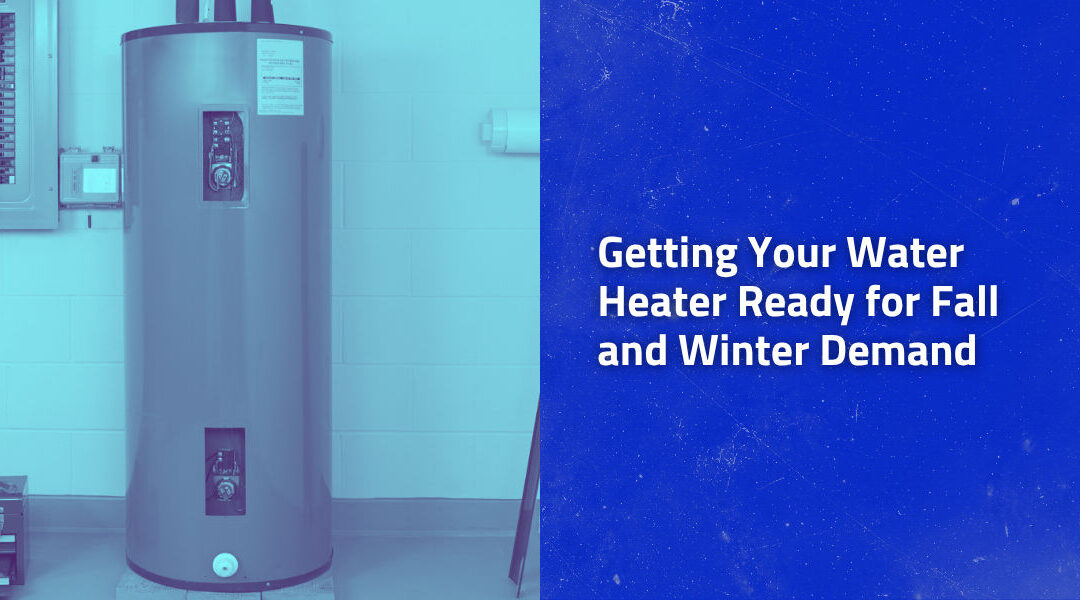
The mornings have started to have that first hint of coolness to them, the kind that tells you fall is genuinely on its way even if the afternoons in Boise are still warm. It is a good sign, and it is also a signal worth paying attention to for a part of your home that gets a lot busier once the weather turns: your water heater.
Hot water use climbs noticeably as the seasons change. Showers run longer and hotter once the mornings get chilly. Incoming water temperature from the main line drops as the ground cools, which means your water heater has to work harder just to bring water up to the same setpoint it handled easily all summer. Add in holiday guests, more laundry, and more dishes as everyone spends more time indoors, and a water heater that coasted through summer without complaint can suddenly feel like it is struggling to keep up.
Why Incoming Water Temperature Matters More Than People Realize
This is the part of the seasonal shift most homeowners never think about. Your water heater is not just heating water from room temperature. It is heating water from whatever temperature is coming out of the ground through your supply line, and that temperature drops meaningfully from summer to winter. A tank that only had to raise incoming water a modest amount in July might need to raise it twice as much in January to hit the same output temperature.
That extra workload means longer recovery times between uses and more strain on the burner or heating elements. If your water heater was already running close to its limits during summer, this seasonal shift is exactly when that limit gets exposed.
Test Your Recovery Time Now, Before It Matters
The easiest way to know whether your water heater is ready for the season is to actually test it. Run two showers back to back, or a shower followed by a load of dishes, and pay attention to how quickly hot water comes back. If recovery already feels slow now, before the ground water temperature has fully dropped, it is only going to feel slower once winter sets in.
This is a much better time to find that out than during a houseful of holiday guests in November. A sluggish recovery time in September gives you the entire fall to address it. The same problem discovered the morning before Thanksgiving guests arrive gives you no runway at all.
Check Your Thermostat Setting
Most water heaters ship set somewhere around 120 degrees, which is a reasonable default for most households. But it is worth actually checking rather than assuming, especially if the setting has never been touched since installation or was adjusted at some point and forgotten. A setting that is too low will feel like a capacity problem even on a perfectly healthy unit, particularly once incoming water runs colder in the winter months. If your household consistently runs short on hot water during high-demand mornings, a modest adjustment can sometimes solve the problem without any repair at all. That said, going much above 120 degrees increases both energy use and scald risk, so this is worth discussing with a technician rather than guessing.
Insulation Matters More Once It’s Cold
If your water heater sits in a garage, basement, or unheated utility space, the ambient temperature around the tank drops right along with the outside air. A tank losing heat to a cold surrounding space has to cycle more often just to maintain its setpoint, even when nobody is using hot water. An insulating tank wrap or blanket, along with insulating the first several feet of hot water pipe leaving the tank, is an inexpensive way to reduce that heat loss and take some of the seasonal strain off the unit. It is a small fix, but in a poorly insulated space it can make a real difference in both performance and your energy bill.
Flush It Before the Demand Ramps Up
We have talked before about how Treasure Valley’s hard water builds sediment at the bottom of a tank over time, and that buildup insulates the burner from the water it is supposed to be heating, forcing it to run longer and hotter than it should. Fall is a smart time for this maintenance specifically because it puts the tank in its best possible shape right before demand increases. A tank heading into winter with a fresh flush recovers faster and runs more efficiently than one carrying a year of sediment into the season nobody wants to be short on hot water.
Planning for Guests
If your household typically has more people in the house during the holidays, whether that is family staying over Thanksgiving or a full house for the winter break, it is worth thinking honestly about whether your current water heater was ever sized for that kind of demand. A tank that handles your everyday household fine can fall short the moment three extra people are showering and doing laundry in the same house. If this is a recurring issue every year, upgrading to a larger tank or a tankless water heater that heats on demand rather than working from a fixed tank size is worth a real conversation before the season gets here rather than during it.
Get Ahead of It
The best time to deal with a water heater that is not quite up to winter demand is now, while there is no urgency and plenty of scheduling flexibility. Waiting until the first cold snap means competing with every other Treasure Valley homeowner having the same realization at the same time.
If you want a technician to test your recovery time, check your thermostat setting, flush the tank, or take a look at whether your unit is sized right for your household’s winter demand, give us a call at (208) 362-6200 or request service online. Fast. Friendly. Fixed. Just Drake it.
Discover more from Drake Mechanical
Subscribe to get the latest posts sent to your email.